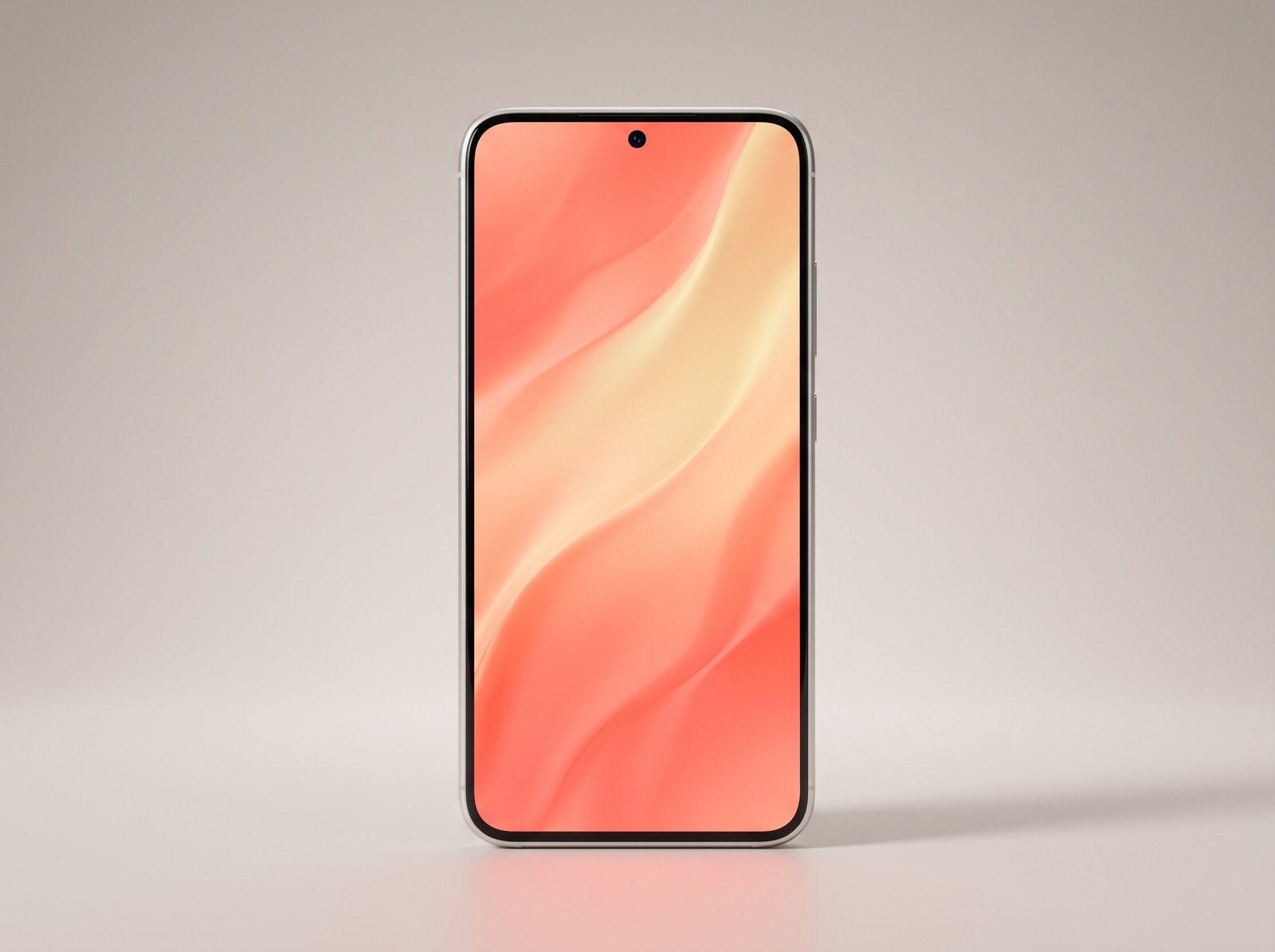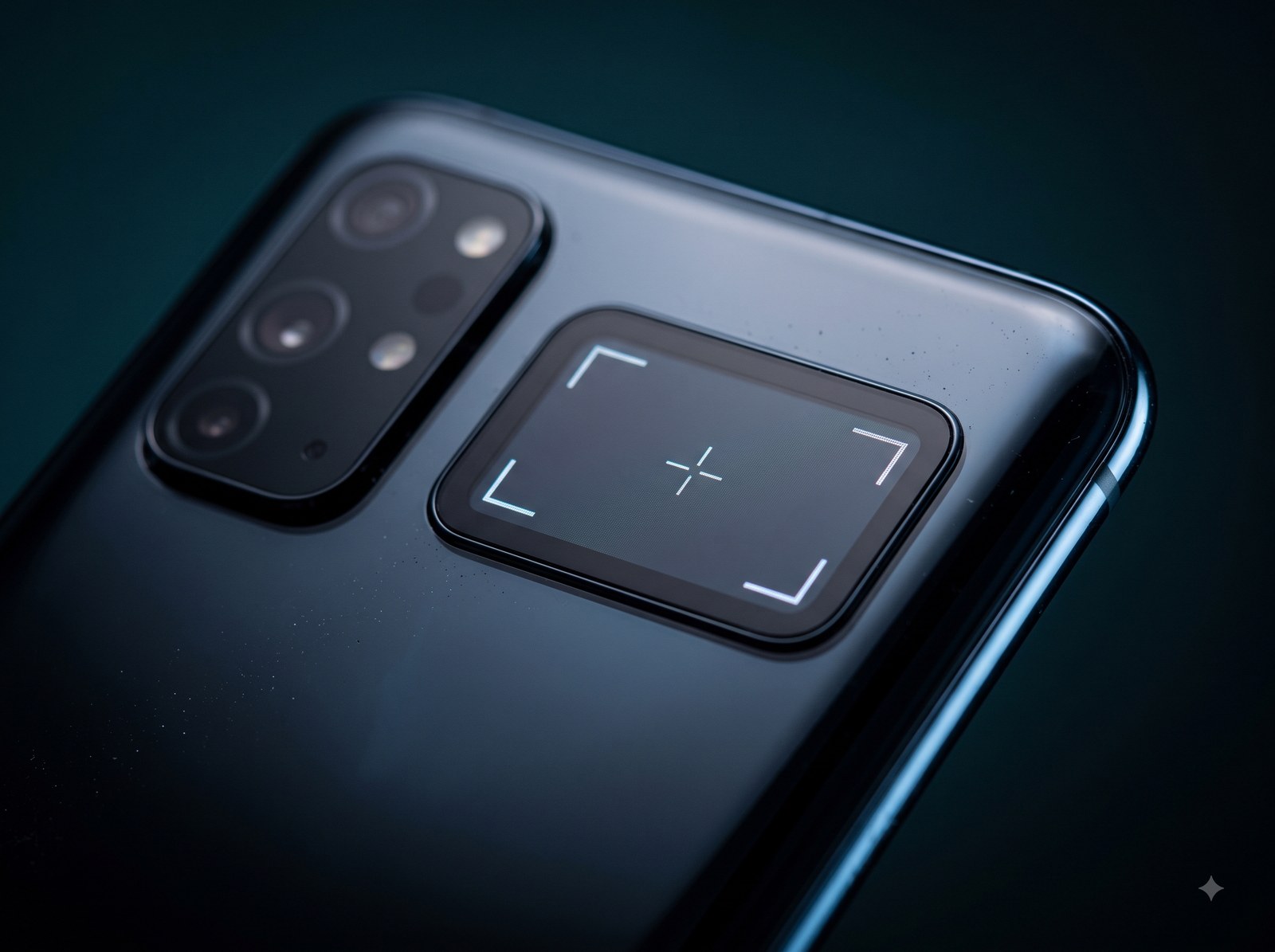

📌 Updated 2 September 2026 — The iQOO 16R has just made its first public appearance in the GSMA’s IMEI database under the reference I2606. Almost certainly bound for international markets, the phone is reportedly being tested with a 2K display, a Snapdragon 8 Elite Gen 6 chip and active cooling built around an internal fan.
Among the Chinese brands built on raw performance, the gaming arm of Vivo is busy preparing its autumn. While attention stays fixed on the flagship at the top of the range, a newcomer has begun showing its hand in the certification pipeline.
The information comes straight from the GSMA’s IMEI registry, where a device listed under the number I2606 has just been filed under the commercial name iQOO 16R. The same registry also carries the iQOO Z12 Lite (reference I2603), an entry-level model already certified in Europe back in July. Two filings at once: the international development lines are running at full tilt.
The international passport of a model shaped for the West
To place this phone properly, you have to look at how the brand names its devices. On the Chinese market, iQOO traditionally fields a “T” series built around the performance-per-euro trade-off. Once a device is due to cross borders for a worldwide release, the letter changes: the “T” becomes an “R”.
The iQOO 16R would therefore be the international version of the iQOO 16T. For a European buyer of imported phones, that distinction matters: where a “T” model generally stays confined to its home ecosystem, the “R” version ships with the frequency bands and the groundwork needed to work properly outside China.
A mechanical fan inside the chassis: the signature of gaming machines
The spec sheet remains wrapped in the usual conditional, but one engineering detail stands out: the prototype would carry an actual built-in fan, paired with a liquid cooling circuit.
Fitting a moving mechanical part inside a smartphone is rare in the industry, and until now it has been the near-exclusive preserve of ultra-specialised gaming devices. Seeing it appear on a model that makes no claim to handheld-console styling points to a clear intention: the iQOO 16R would be chasing sustained peak performance without the slightest thermal throttling, even during long 3D sessions in a warm room.

A 2K Samsung panel and the Snapdragon 8 Elite Gen 6
Driving all of this, early word points to the Qualcomm Snapdragon 8 Elite Gen 6 built on a 2 nm process. This would be the standard version of the chip, offering a remarkable thermal and energy balance under the heaviest loads.
The front would carry a 2K OLED panel supplied by Samsung. A resolution that high in this segment would guarantee crisp rendering and comfortable viewing for video on the move.
A 200 MP sensor and no periscope: a deliberate trade-off
On the camera side, the phone would make a very legible technical choice:
- A 200-megapixel main sensor: designed to capture a high level of detail in daylight and to bin pixels efficiently in low light.
- A 50-megapixel ultra-wide sensor: calibrated to hold sharpness across wide scenes.
- No periscope telephoto: the phone would skip the complex long-range optical zoom altogether.
That choice is not a lack of ambition but a coherent product logic. A periscope telephoto carries a significant manufacturing cost and takes up precious volume inside the body. By going without it, the iQOO 16R frees room for its fan-based cooling while keeping its bill of materials in check. It is precisely that trade-off which separates it from the flagship covered in our article on the iQOO 16 and from the decisions taken on the iQOO Neo 12.
Expected iQOO 16R specifications
| Component | Expected specification |
|---|---|
| Display | Samsung OLED, 2K resolution (unconfirmed) |
| Chipset | Qualcomm Snapdragon 8 Elite Gen 6 (2 nm) |
| Cooling | Built-in mechanical fan + liquid chamber |
| Main camera | 200 megapixels |
| Ultra-wide | 50 megapixels |
| Telephoto | Absent |
| Battery & charging | Not disclosed |
| Official reference | I2606 (GSMA IMEI database) |
iQOO 16R price and availability
At this point in the calendar, the brand has let no official price slip. In the past, “R” models were positioned to deliver the computing performance of the flagships of the day on a noticeably gentler price list than the top-tier devices.
By trimming the telephoto to concentrate its efforts on the 2K display and active cooling, the phone should keep an aggressive position. Final pricing will nonetheless depend on the cost of memory components and of the global modem at the time of the official announcement.
Release timing and what comes next
Registering an IMEI identifier with the GSMA is the opening step of a smartphone’s homologation journey. The signal confirms the model genuinely exists in commercial form, but it also indicates that several weeks of regulatory testing still lie ahead before any public unveiling.
Conclusion
A 2K Samsung panel, the Snapdragon 8 Elite Gen 6 and a mechanical fan inside the chassis: the iQOO 16R takes most of what makes a gaming flagship, and accepts going without a telephoto lens to hold its price. That trade-off is explicit, and it has already worked on the previous “R” models. Neither price nor date is known today.
The final release date remains unknown. We will update this page as soon as electrical certification filings bring certainty about its battery and charging capabilities. In the meantime, feel free to browse the Vivo smartphones in stock to see what the group is currently building.

![iQOO 16: 2K 165 Hz display, Snapdragon 8 Elite Gen 6 Pro and an 8,400 mAh battery [UPDATED]](https://www.phonedroid.net/blog/wp-content/uploads/2026/09/iqoo-16-rendu-fuite-noir.jpg)
![OnePlus 16: BOE X4 display, 185 Hz and 9,000 mAh [Update]](https://www.phonedroid.net/blog/wp-content/uploads/2026/09/oneplus-16-rendus-officiels-trois-coloris.jpg)
![Xiaomi 18 Pro: The Compact Monster With Two 200 MP Sensors [UPDATE]](https://www.phonedroid.net/blog/wp-content/uploads/2026/09/xiaomi-18-pro-photos-en-main-face-dos.jpg)
![Xiaomi 18 Pro Max: Heading for an Outrageous Spec Sheet [UPDATED]](https://www.phonedroid.net/blog/wp-content/uploads/2025/09/Xiaomi-17-Pro-Max.jpg)